

High-paying jobs always catch people’s eyes. But in 2026, money on its own isn’t enough anymore. People want jobs that feel secure, are likely to remain in demand, and allow them to work from anywhere. Because of this, knowing the Top 15 High Paying Jobs Worldwide in 2026 can really help anyone make a more brilliant career choice.
In the UK, higher living costs, skills shortages, and rapidly advancing technology are changing how salaries are set. Because of this, many people are asking what the highest-paying job in the world is, which careers will last in the future, and where demand is growing the fastest.
This blog looks at the world’s best-paid jobs, explains what they really pay, where they are most in demand, and how they compare to realistic UK salaries—helping you make smarter career choices.
Table of Contents
Why High Paying Jobs Matter More Than Ever in 2026
Rising Cost of Living in the UK and Global Salary Gaps
Living costs in the UK have increased steadily since 2023. According to the Office for National Statistics, housing, energy, and transport costs continue to outpace wage growth. Therefore, high paying jobs are no longer about luxury but financial security.
Global pay differences are growing. People with specialist skills often earn two or three times more than the average worker. Because of this highest paid world jobs, many now look for jobs that offer strong pay both at home and abroad.
Career Security vs Short-Term Income
Some roles offer high income but limited security. However, the most payable jobs combine strong pay with long-term demand. Many people search for the highest paid world jobs to find careers that offer strong income, long-term security, and global opportunities. For example, cyber security and healthcare roles remain essential across economic cycles.
, choosing the best paying jobs means balancing income with stability. In the UK, employers increasingly reward specialist knowledge rather than general experience.
How Skills Shortages Are Driving the World’s Highest Paid Jobs
The UK Skills Shortage List highlights technology, healthcare, and engineering roles. As a result, employers offer higher salaries to attract talent. Moreover, global competition increases pay even further.Therefore
Roles linked to AI, cloud computing, and data remain among the highest paying jobs worldwide. Therefore, professionals with job-ready skills hold strong negotiating power.
Top 15 Highest Paying Jobs in 2026 — Salary Comparison
| Rank | Job Title | Average UK Salary | Global Salary Range |
|---|---|---|---|
| 1 | Chief Executive Officer | £150,000–£300,000 | £200,000–£1m+ |
| 2 | Investment Banker | £120,000–£250,000 | £180,000–£600,000 |
| 3 | Surgeon | £110,000–£220,000 | £160,000–£500,000 |
| 4 | AI Engineer | £95,000–£180,000 | £130,000–£400,000 |
| 5 | Data Scientist Director | £90,000–£170,000 | £120,000–£350,000 |
| 6 | Cyber Security Director | £100,000–£190,000 | £140,000–£380,000 |
| 7 | Software Engineering Manager | £95,000–£160,000 | £130,000–£300,000 |
| 8 | Corporate Lawyer (Partner) | £130,000–£400,000 | £200,000–£900,000 |
| 9 | Energy Consultant | £90,000–£160,000 | £150,000–£350,000 |
| 10 | Airline Pilot | £85,000–£170,000 | £120,000–£300,000 |
| 11 | Pharmaceutical Director | £90,000–£180,000 | £140,000–£320,000 |
| 12 | Product Manager | £85,000–£150,000 | £120,000–£280,000 |
| 13 | Quantitative Analyst | £95,000–£200,000 | £180,000–£600,000 |
| 14 | Cloud Solutions Architect | £90,000–£160,000 | £130,000–£320,000 |
| 15 | Management Consultant | £80,000–£150,000 | £120,000–£300,000 |
2025–2026 Highest Paying Jobs in the UK: Roles and Career Requirements
| Job Title | Why It Pays Well | Career Requirement (Short) |
|---|---|---|
| Chief Executive Officer (CEO) | CEOs hold ultimate responsibility for company performance, growth, and strategic direction, making them the highest paid professionals globally. | Extensive senior leadership experience, strategic decision-making skills, MBA often preferred |
| Investment Banker | Investment bankers manage high-value deals, mergers, and acquisitions, with compensation driven by performance and deal size. | Degree in finance or economics, strong analytical skills, CFA beneficial |
| Surgeon / Medical Specialist | Surgeons earn top salaries due to long training periods, specialist expertise, and critical healthcare demand. | Medical degree, specialist training, GMC registration |
| AI Engineer / Machine Learning Architect | AI specialists design intelligent systems that automate operations and increase business efficiency. | Degree in computer science or AI, Python, machine learning frameworks |
| Data Scientist / Analytics Director | Data professionals transform complex datasets into strategic insights that directly influence revenue. | Data science or statistics degree, SQL and Python expertise |
| Cyber Security Director | Cyber leaders protect organisations from digital threats, regulatory risk, and data breaches. | Cyber security or IT degree, CISSP or CISM certification |
| Software Engineering Manager | Engineering managers bridge technical delivery with business objectives, ensuring scalable digital systems. | Software engineering background, leadership and project management experience |
| Corporate Lawyer (Partner Level) | Corporate partners manage high-stakes legal transactions and protect business interests. | Law degree, solicitor or barrister qualification, corporate specialisation |
| Oil, Gas & Energy Consultant | Energy consultants advise on complex, high-risk projects that require specialist technical knowledge. | Engineering or energy-related degree, sector experience |
| Airline Pilot (Long-Haul) | Long-haul pilots command high pay due to responsibility, skill level, and international operations. | ATPL licence, commercial pilot training |
| Pharmaceutical Director | Pharmaceutical leaders oversee drug development, compliance, and global strategy in a regulated sector. | Pharmacy or life sciences degree, leadership experience |
| Product Manager (Big Tech) | Product managers align user needs, technology, and revenue to drive competitive advantage. | Business or technology degree, agile and product lifecycle experience |
| Quantitative Analyst (Quant) | Quants apply advanced mathematics to guide trading and investment strategies. | Degree in mathematics, physics, or quantitative finance |
| Cloud Solutions Architect | Cloud architects design scalable infrastructure essential to modern digital enterprises. | IT or computer science degree, cloud certifications |
| Senior Management Consultant | Consultants solve complex organisational challenges and advise executive leadership. | Business or economics degree, consultancy experience |
Emerging High-Income Careers to Watch in 2026
Green energy specialists now command higher pay. Moreover, health technology roles continue to expand. AI ethics and compliance jobs are also growing.
As regulation increases, governance roles gain value. Therefore, emerging careers offer strong salary growth.
Global Salary Trends – Where High-Paying Jobs Thrive in 2026
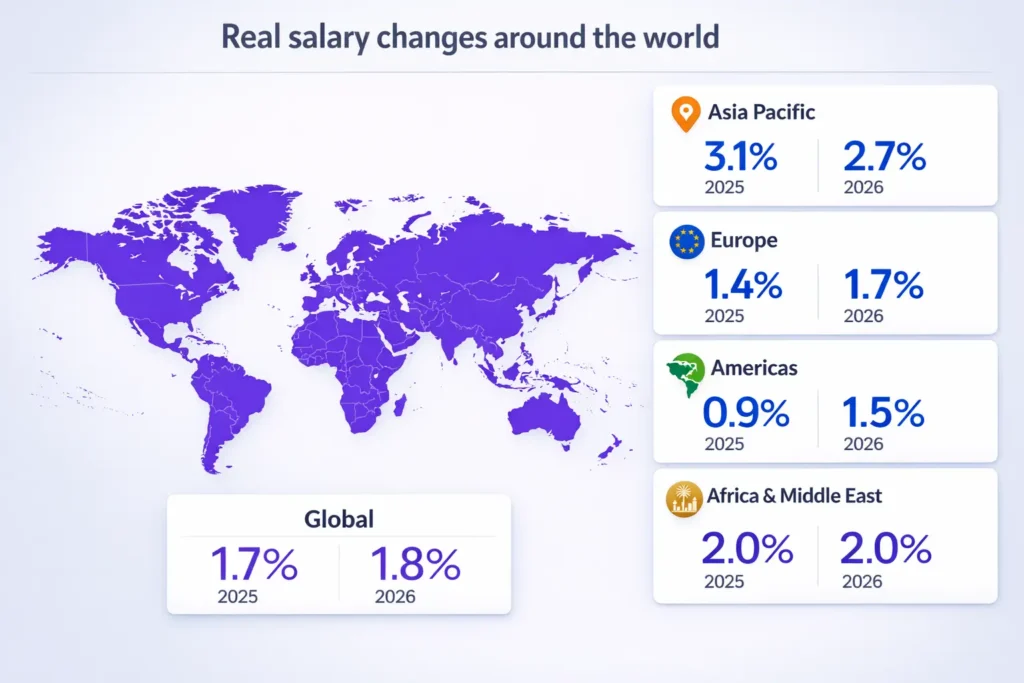
In the UK, finance, law, and medical careers dominate the list of highest paid jobs in the United Kingdom., especially in London. However, the US leads in technology pay. Meanwhile, the Middle East offers tax advantages.
Asia-Pacific hubs also attract global talent. Therefore, mobility increases earning potential.
Career Requirements – What You Need to Succeed in 2026
Degrees still matter in medicine and law. However, skills-based hiring dominates tech and analytics.
Certifications accelerate entry into high paying jobs UK-wide. Experience and timing also influence income.
Why These Jobs Pay More – High Demand and Low Supply
Scarce skills increase wages. Moreover, business impact drives compensation.
Risk and accountability also justify high salaries. Therefore, pay reflects responsibility.
Economic Impact of High-Paying Jobs
High earners contribute more tax revenue. In addition, innovation fuels growth.
UK industries benefit from skilled professionals.
Opportunities Beyond the Paycheque
Global mobility enhances lifestyle. Moreover, leadership roles offer personal growth.
Financial security supports long-term planning.
2026’s Highest Paying Jobs – Key Insights and Career Requirements
| Job Title | Key Insight | Career Requirement |
|---|---|---|
| AI Engineer | Explosive demand | Advanced technical skills |
| Cyber Director | Regulatory pressure | Security leadership |
| Quant Analyst | High risk, high reward | Maths and finance |
| Surgeon | Skills scarcity | Medical training |
| CEO | Business accountability | Strategic leadership |
How to Land One of the Highest Paying Jobs in the World
Key Takeaway
High-paying jobs usually go to people who choose in-demand careers and build the right skills. Experience also plays a big role, as does keeping up with changes in the job market. In the UK, improving your skills and negotiating pay can increase your income over time.
1. Choose the Right Career Path Early
High-paying jobs are not all the same. Some need specific qualifications, while others depend more on skills and experience. Jobs in technology, finance, healthcare, engineering, and law are often among the best paid. Before choosing a career, it helps to look at typical salaries, future job demand, and which skills are in short supply, so you can pick a path that pays well in the long run.
Why it matters: Early career decisions strongly impact lifetime income.
2. Invest in Future-Focused Skills
Today, the best-paid jobs are not just about having a degree. Employers are looking for people with practical and technical skills they can actually use. Skills like data analysis, AI, cloud systems, cybersecurity, and digital tools are in strong demand in the UK and around the world. Many people build these skills through short courses or professional certificates, which makes it easier to move forward without years of study.
Why it matters: Skills shortages drive higher salaries.
3. Build a Strong Professional Network
Getting to know people in your field can make a big difference to your career. Many well-paid jobs are filled through personal recommendations, not online job adverts. Staying active on LinkedIn, going to industry events, and joining professional groups helps you get noticed by employers and recruiters.
Why it matters: Opportunities often come through connections.
4. Gain Relevant Industry Experience
Employers usually want to see real, practical experience. Things like internships, graduate schemes, short contracts, or freelance work help you prove what you can do. In many competitive jobs, your hands-on experience can matter more than your qualifications.
Why it matters: Experience validates earning potential.
5. Optimise Your CV and LinkedIn Profile
A strong CV and a well-set-up LinkedIn profile can make a big difference when applying for high-paying jobs. Highlight clear results, key skills, and how you’ve grown in your career, using simple words that employers in your field actually search for.
Why it matters: Recruiters rely heavily on digital profiles.
6. Stay Updated with Market Trends
The highest paid jobs in the world usually require rare skills, years of training, and responsibility at a global level. New roles like AI specialists, sustainability managers, and fintech experts are growing fast. By keeping an eye on job market trends, people can move into better-paid roles earlier and stay ahead.
Why it matters: Adaptability increases career longevity.
7. Learn Salary Negotiation Techniques
Negotiating your salary helps you earn what you deserve. Before saying yes to a job offer, look at average UK salaries and pay rates in your industry so you know what’s fair. When you speak up with confidence and the right facts, you can increase your pay now and in the future.
Why it matters: Pay growth compounds over time.
8. Use Career Support and Training Programmes
Career services, mentors, apprenticeships, and government support like the UK National Careers Service give clear, practical help. They guide people to build useful skills, understand where they need to improve, and move into better-paid jobs.
Why it matters: Support accelerates career progression.

Conclusion
High Paying Jobs in 2026 will continue to be driven by global demand, specialised skills, and rapid technological growth. Roles in healthcare, technology, finance, and engineering are expected to offer strong salaries due to skill shortages and expanding industries worldwide. Moreover, professionals who invest in upskilling and adapt to changing market needs will have a clear advantage. Therefore, choosing the right career path today can open doors to long-term financial stability and global opportunities tomorrow.
FAQs on the Highest Paying Jobs in 2026
What is the highest salary jobs in the world in 2026?
In 2026, the highest paying jobs UK professions are expected to be senior leadership and specialist roles. Jobs such as Chief Executive Officers (CEOs), medical specialists, AI and machine learning experts, and investment professionals continue to earn the most. These roles pay well because they combine high responsibility, rare skills, and years of experience.
Which career is best in 2026?
The best career in 2026 depends on your skills and what you want for the future, not just how much it pays. Jobs in technology, healthcare, finance, and renewable energy are in high demand and offer strong job security. Careers that allow flexible work, global opportunities, and ongoing learning—like data science or digital healthcare—are especially appealing.
What is the highest salary in 2026?
In 2026, the highest salaries are likely to go well beyond six figures. These top-paying roles are mostly found in leadership, healthcare, and advanced technology. Company founders, senior managers, specialist doctors, and AI experts are among the biggest earners. In most cases, pay rises as people gain more experience, take on bigger responsibilities, and make a stronger impact in their industry.
What is the highest-paid degree in 2026?
Degrees in medicine, engineering, computer science, and finance are some of the best job salary in the world in 2026. Fields like artificial intelligence, data science, medicine, and law offer strong earning potential, especially when people also have professional certificates and real-world work experience.
What industries dominate high-paying jobs in 2026?
In 2026, high-paying jobs are mainly found in technology, healthcare, finance, energy, and legal services. Fast-growing areas like AI, fintech, cybersecurity, and sustainable energy are creating new well-paid roles. These industries reward specialised skills and adapt quickly to global economic change.